
Wedding Planning Tips
Wedding Guests: What to Capture with Picshots
Wedding guests want to capture the moments that feel personal: outfits, reactions, little details, and “only-happens-today” surprises. Picshots helps those instinctive shots become a complete, shareable photo story.
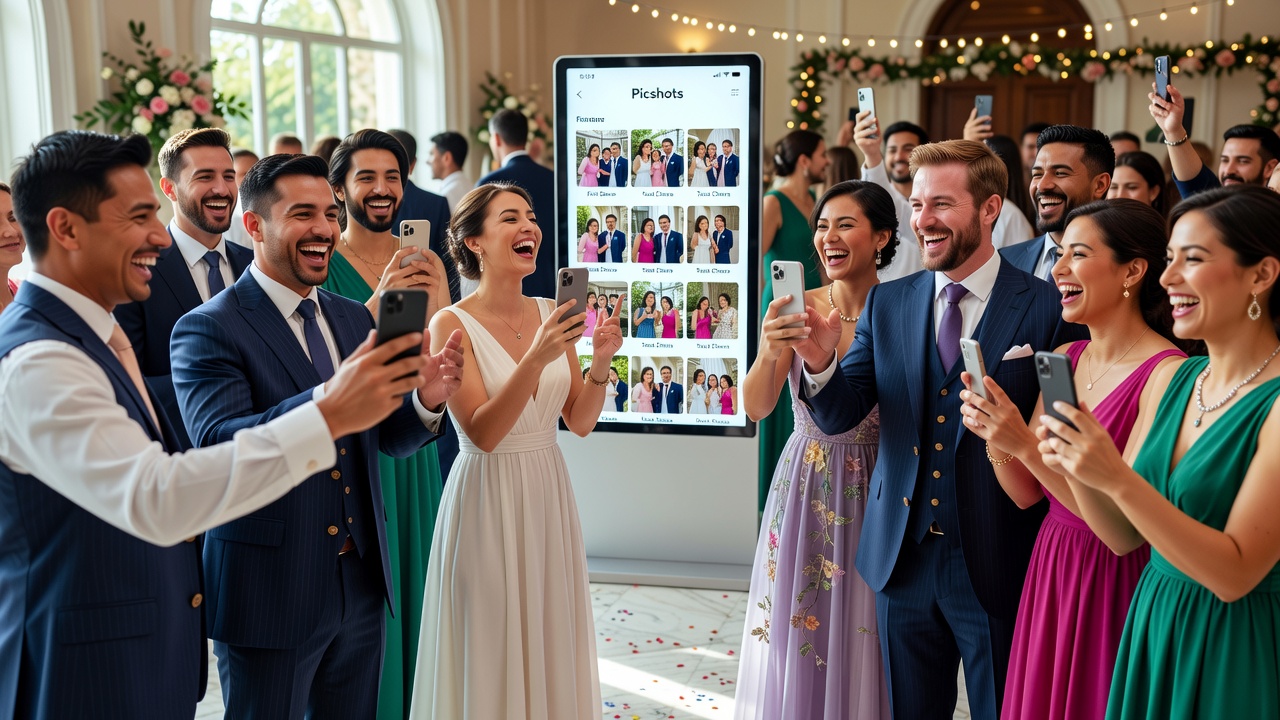
What Guests Actually Want to Capture: wedding guest photo capture ideas with Picshots
Quick Answer: Wedding guests don’t just want to “take photos”—they want to preserve the details, outfits, reactions, and small surprises that make the day feel real. With Picshots, those instinctive captures are organized into a complete, shareable photo story you can relive together.
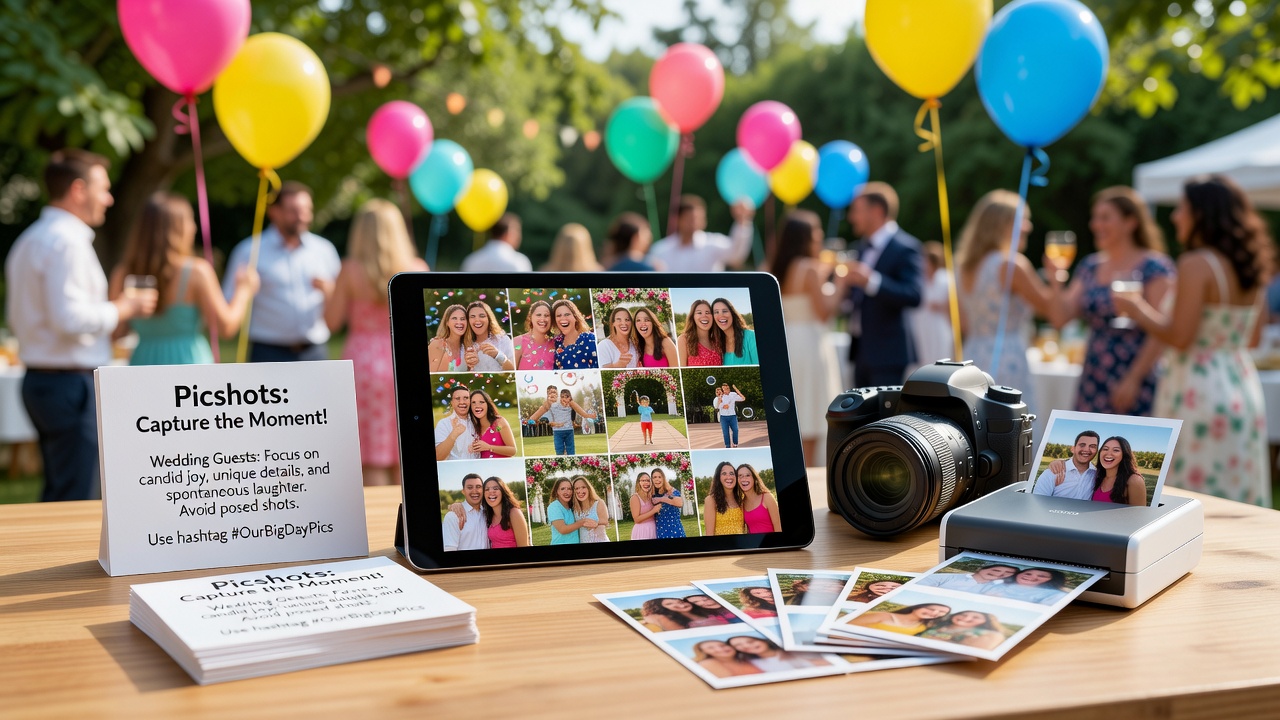
Introduction
When people pick up their phone at a wedding, it’s usually not because they’re trying to be “a photographer.” They capture what they’re proud of, what surprises them, what they’ll show later to friends, and what they’ll remember when the venue, the outfits, and the energy start to fade.
That’s exactly why wedding guest photo capture ideas with Picshots work: you’re not asking guests to create perfect images—you’re inviting them to document the parts of the celebration that feel meaningful. Then Picshots turns those natural moments into one cohesive, shareable photo story.
What you’ll get from this guide: practical guest capture ideas, simple shot prompting, and the fastest ways to avoid “we have 300 unorganized photos” syndrome.
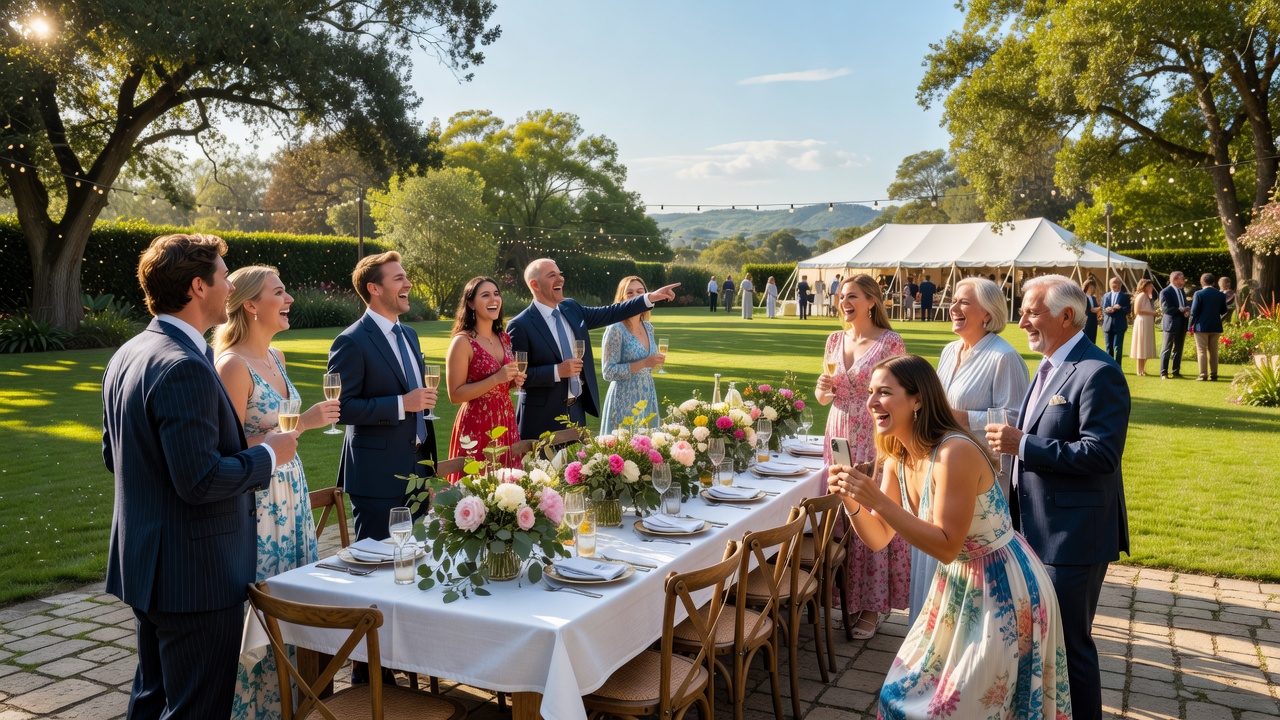
What do wedding guests actually want to capture?
Most guests are trying to capture emotion and meaning, not technical perfection. They want photos they can rewatch later and feel like they were there—especially for moments that don’t get covered in formal wedding albums.
Think of it as four instincts:
- Details: decor textures, place cards, dessert tables, signage, handwritten notes.
- Outfits: “I look good in this photo” moments—full looks, accessories, shoes, group photos.
- Reactions: real-time laughter, surprised faces, proud hugs, heartfelt tears.
- Little surprises: unexpected performances, fun confetti moments, private jokes, spontaneous toasts.
Picshots is built for this reality. Instead of collecting random images, it helps guests contribute to a unified story—so you get both the “pretty” and the “this is exactly how it felt.”
Why guests capture (and why it matters for your memories)
Here’s the practical reason this matters: wedding photography has two layers.
- Layer 1: Scheduled coverage (ceremony, portraits, key family photos).
- Layer 2: Lived experience (the mood between moments, the reactions, the details people notice once and then forget).
Guests naturally excel at Layer 2 because they’re present, emotionally connected, and often closer to small scenes than the professional team.
Result: When you guide guest capture toward details, outfits, reactions, and surprises—and then consolidate it—you effectively create a “day-in-the-life” gallery that feels complete.
How Picshots turns instincts into a shareable photo story
Definition: A photo story is a set of images that, together, tells a sequence—before, during, and after—so memories feel continuous rather than scattered.
Picshots helps you get that story in three ways:
- Capture alignment: guests know what to photograph (without being forced into a script).
- Collection and organization: images are brought into one place, ready for sharing.
- Story-building: the final set feels curated because it reflects the day’s natural highlights—details, outfits, reactions, and surprises.
[Internal link: How to share a wedding photo gallery with guests]
[Internal link: Wedding timeline checklist for better photo coverage]
Quick tip: The best guest prompts are short, visual, and specific. If you can explain it in a single sentence, guests will actually do it.
wedding guest photo capture ideas with Picshots (by moment)
If you want an easy featured-snippet style answer, here it is: the most effective wedding guest photo capture ideas focus on what guests naturally notice—details, outfits, reactions, and little surprises. Use the prompts below to guide contributions, then let Picshots consolidate the results into one shareable story.
1) Capture the “first impression” details
Guests love photographing what they see immediately: the entrance, signage, place cards, and the tiny touches that make the venue feel intentional.
Prompt you can share:
- “Take one photo of the entrance decor or signage that feels like ‘this is our wedding.’”
- “Snap a close-up of place cards, menus, or table details before the seats fill up.”
Why it works: These are the images that anchor the beginning of the photo story.
2) Document outfits in a way that feels personal
Outfit photos aren’t just vanity shots—they’re proof of belonging. Guests want to remember how they chose to show up for the couple.
Prompt you can share:
- “Show your look: full outfit + one accessory you’re proud of.”
- “Group photo: your table/friends doing a funny pose together.”
Pro tip: Encourage “one detail + one full look.” That mix creates variety in the final gallery.
3) Capture reactions during ceremony and speeches
The best reactions are the ones guests don’t plan. Someone wipes a tear, someone laughs at a joke, someone looks at the couple like they can’t believe the moment is real.
Prompt you can share:
- “During the ceremony, photograph a reaction (not the officiant) when something heartfelt happens.”
- “At speeches, capture one moment of laughter or emotion—especially faces, not just the speaker.”
Important note: If a guest is filming, consider reminding them to be respectful and avoid blocking anyone’s view for the ceremony coverage.
4) Photograph the “little surprises” people talk about later
Surprises are the story accelerators—confetti that launches at the perfect second, a surprise song, a hidden message in a program, or a playful moment between dances.
Prompt you can share:
- “If something unexpected happens, capture it—but also take one photo of the reaction around you.”
- “Get one ‘moment like no other’ shot from the dance floor.”
Why it works: Surprises create the “we remember this!” feeling in a shared gallery.
5) Create a “guest-to-couple” love letter series
This is a subtle but powerful idea: ask guests to photograph something that represents their relationship with the couple.
Prompt you can share:
- “Snap a photo holding a gift card, note, or meaningful item that shows your connection to the couple.”
- “If you wrote a note, photograph it before giving it (or after, if it’s allowed).”
Privacy-friendly tip: Encourage guests to avoid photographing someone else’s personal info (like full addresses or handwritten notes with sensitive details).
6) Don’t forget the “after” photos
Many weddings feel like a blur. Guests often get great shots after big moments when energy settles.
Prompt you can share:
- “Capture a quiet moment: smiles, hugs, or the couple reacting to well-wishes.”
- “Last look: photograph the couple with the venue lights or the exit moment.”
Outcome: These images close the story with warmth, not exhaustion.
Featured snippet-friendly: a quick shot list for guests
If you’re looking for a copy/paste guest prompt that’s easy to follow, use this mini checklist. It covers the instincts that consistently generate the best photo story variety.
- One detail shot (entrance, place cards, decor)
- One outfit shot (full look + one accessory)
- One reaction shot (emotion during ceremony/speeches)
- One surprise shot (unexpected moment)
- One “after” shot (hug, smile, quieter scene)
Optional add-on: “Include one photo that shows the group/table energy.”
How to guide guests without making it feel like homework
The biggest mistake couples make is over-instructing. Guests don’t mind taking photos. They mind feeling like they’re failing an assignment.
Try this approach:
- Give 3–5 prompts max. If you ask for ten things, people pick only one—or ignore the prompt.
- Lead with emotion. “Capture how it feels” beats “take a wide-angle shot.”
- Make it time-based. “Before dinner,” “during speeches,” “after the first dance.”
- Allow spontaneity. Don’t punish off-script photos—just capture variety.
Common tone that works: friendly, short, and grateful. “If you’re comfortable, a few quick shots would mean the world.”
Pros and cons of using a guest photo platform vs. traditional sharing
Let’s compare the approach of collecting guest photos through a platform like Picshots to older methods (group chats, email forwards, manual uploads).
| Approach | Strengths | Tradeoffs |
|---|---|---|
| Guest photo platform (Picshots) | Organizes images into a shareable story; encourages prompt-based variety | Requires a coordinated invite or setup |
| Manual sharing (email/text links) | Familiar and simple | Creates scattered albums; easy to miss contributions; harder to tell a cohesive story |
| Only professional photographer | Consistent quality for key moments | Misses authentic guest reactions and small details |
Bottom line: A guest platform is best when you want your final gallery to feel complete—not just “technically covered.”
Common mistakes (and how to avoid them)
Here are mistakes that commonly lead to a disappointing guest-photo gallery—and the fixes that usually solve them.
- Mistake: Asking for only “best photos.”
Fix: Ask for a mix—details, outfits, reactions, surprises. Variety creates story depth. - Mistake: Too many prompts.
Fix: Keep it to 3–5. Give time windows (“during speeches,” “before dinner”). - Mistake: No clear “when.”
Fix: Tie prompts to parts of the timeline so guests know what to look for. - Mistake: Ignoring privacy and consent.
Fix: Remind guests to avoid photographing minors up close and to respect privacy of personal information. - Mistake: Not planning the final share moment.
Fix: Share the resulting gallery soon after the wedding while people still want to revisit it.
[External link: GDPR / privacy guidance overview] (For situations involving consent and personal data in photos.)
Practical example: what a “perfect” guest contribution looks like
Imagine this mini sequence from the same wedding day:
- A guest captures a close-up photo of place cards (detail shot).
- Later, they take a full outfit photo with friends at their table (outfit shot).
- During a heartfelt moment in the ceremony, they capture a reaction photo of someone wiping tears (reaction shot).
- At the dance floor, they photograph a surprise performance and the surrounding reactions (surprise shot).
- After the big moment, they take one “quiet smile” photo as the couple walks away (after shot).
That collection creates narrative flow. When consolidated through Picshots, it becomes easy for the couple and families to relive the day as a story—not a pile of files.
Do you need professional photos too?
Yes—if your goal is coverage and consistency. Professional photographers are trained to handle lighting, composition, and formal portrait planning.
But guest photos fill a different—and equally valuable—role: authenticity. They show what you missed, what you didn’t notice, and what your guests felt in real time.
Recommendation: Keep the professional team for the “planned moments,” and use Picshots for the “lived moments.” That pairing is what typically produces the most emotionally complete album.
How much does it cost?
Pricing for platforms like Picshots can vary based on wedding setup, guest participation, and feature options. The best approach is to check the current Picshots pricing page during planning.
[Internal link: Picshots pricing / plan overview]
Cost perspective that helps: Compare the cost of a platform to the value of eliminating manual collection (and reducing the risk of “missing” a meaningful guest moment).
Alternatives to Picshots (if you’re comparing options)
If you’re exploring alternatives, you’ll typically see three main categories:
- Generic photo-sharing folders (guests upload to a shared link).
Good for convenience, but less structured story-building. - Hashtag-based social sharing (guests post publicly or semi-publicly).
Great for fun and discovery, but harder to consolidate privately. - Manual guest-to-couple sharing (text/email asks).
Simple but often fragmented in practice.
What to look for: organization, prompt support (even if informal), and an easy way to share results with privacy in mind.
Key Takeaways
- Wedding guests want to capture details, outfits, reactions, and little surprises—not just “good photos.”
- Picshots helps those instinctive captures become one complete, shareable photo story.
- Use 3–5 short prompts tied to timeline moments to avoid overwhelming guests.
- A great guest photo set feels like a narrative: before → during → after.
- Encourage variety and respect privacy so the gallery stays emotionally safe and enjoyable.
Frequently Asked Questions
What are the best wedding guest photo capture ideas with Picshots?
The best ideas focus on what guests naturally notice: decor and details (close-ups), outfit and accessory shots, emotional reaction photos during ceremony or speeches, and “little surprise” moments on the dance floor. Pair each prompt with a time window so guests know when to capture.
How do we prompt guests without annoying them?
Keep prompts short and friendly, and limit them to 3–5 moments. Use emotion-based language (“capture how it feels”) rather than technical instructions. Thank guests in advance and make it optional—people respond better when they feel respected, not evaluated.
Will guest photos duplicate the professional photographer’s work?
Some overlap is normal, but well-prompted guest photos usually complement professional coverage. Guests capture candid reactions, personal outfit memories, and small scene details the formal photographer may not prioritize—especially between major scheduled moments.
What if guests forget to take photos during key moments?
Give a simple checklist and place gentle reminder prompts around the timeline (for example, “before dinner” or “during speeches”). Also encourage “after” shots—guests who miss the ceremony often still capture strong emotional moments later.
Privacy note: If minors or private spaces are involved, share a clear “be respectful” reminder.
How do we keep the gallery organized after the wedding?
Platforms like Picshots reduce fragmentation by consolidating contributions into one place. The goal is to avoid multiple messy sources (texts, emails, social posts) that create gaps and duplication. Once organized, sharing becomes a single action, not a cleanup project.
Can we use guest photos for our wedding album or announcements?
Often yes, but it depends on consent and how the platform is configured. If you plan to reuse guest photos publicly (social posts, press, prints), make sure you communicate sharing expectations clearly and confirm any rights/permission rules associated with the chosen platform.
What should guests avoid photographing?
Guests should avoid capturing sensitive personal information (like addresses on envelopes) and should be respectful with minors and private moments. It’s also wise to discourage blocking people’s views during ceremony coverage. When in doubt, suggest capturing from an angle that doesn’t interfere.
How quickly should we share the photo story?
Sharing within the first days after the wedding tends to get the most engagement—people are still in “reminisce mode.” Earlier also helps guests remember what they took. If you need time to curate, set expectations so everyone knows when the gallery will be ready.
Conclusion
Wedding memories aren’t only built from formal portraits—they’re built from details, outfits, reactions, and little surprises that guests can’t help but capture. That’s why wedding guest photo capture ideas with Picshots are so effective: they honor guests’ instincts and turn them into one complete, shareable photo story.
Ready to build your story? Set up Picshots for your wedding and share a few simple prompts. You’ll get a gallery that feels like the day itself—full of emotion, texture, and the moments only guests truly notice.
Quick answers
What are the best wedding guest photo capture ideas with Picshots?
The best ideas focus on what guests naturally notice: decor and details (close-ups), outfit and accessory shots, emotional reaction photos during ceremony or speeches, and “little surprise” moments on the dance floor. Pair each prompt with a time window so guests know when to capture.
How do we prompt guests without annoying them?
Keep prompts short and friendly, and limit them to 3–5 moments. Use emotion-based language (“capture how it feels”) rather than technical instructions. Thank guests in advance and make it optional—people respond better when they feel respected, not evaluated.
Will guest photos duplicate the professional photographer’s work?
Some overlap is normal, but well-prompted guest photos usually complement professional coverage. Guests capture candid reactions, personal outfit memories, and small scene details the formal photographer may not prioritize—especially between major scheduled moments.
What if guests forget to take photos during key moments?
Give a simple checklist and place gentle reminder prompts around the timeline (for example, “before dinner” or “during speeches”). Also encourage “after” shots—guests who miss the ceremony often still capture strong emotional moments later.
How do we keep the gallery organized after the wedding?
Platforms like Picshots reduce fragmentation by consolidating contributions into one place. The goal is to avoid multiple messy sources (texts, emails, social posts) that create gaps and duplication. Once organized, sharing becomes a single action, not a cleanup project.
Can we use guest photos for our wedding album or announcements?
Often yes, but it depends on consent and how the platform is configured. If you plan to reuse guest photos publicly (social posts, press, prints), make sure you communicate sharing expectations clearly and confirm any rights/permission rules associated with the chosen platform.
What should guests avoid photographing?
Guests should avoid capturing sensitive personal information (like addresses on envelopes) and should be respectful with minors and private moments. It’s also wise to discourage blocking people’s views during ceremony coverage. When in doubt, suggest capturing from an angle that doesn’t interfere.