
Decorations
Wedding Photo Wall: The Ultimate Guide to Creating a Guest Photo Experience
Everything Filipino couples need to know about creating a stunning wedding photo wall — from backdrop ideas and lighting setups to digital sharing tools that turn your reception into an interactive guest experience everyone will remember.
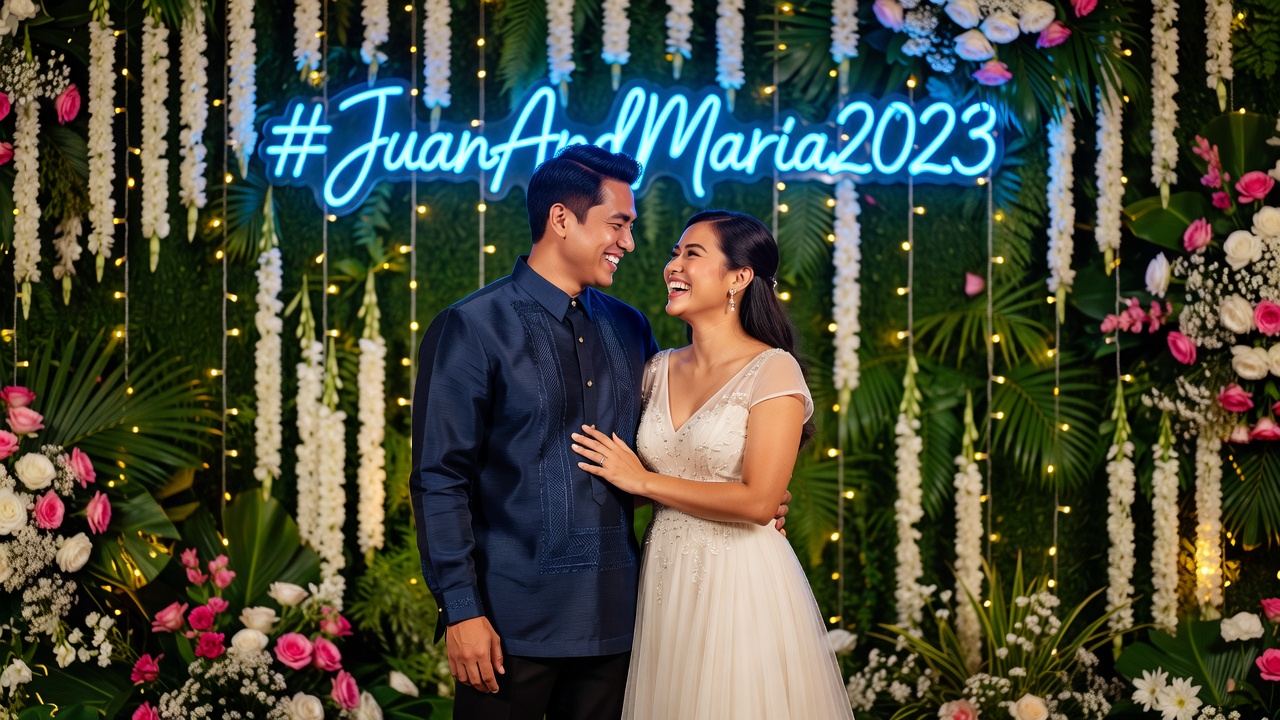
Your wedding photo wall isn't just another decoration — it's the one spot at your reception where every guest becomes part of the story. Think about it: your ninong posing with his barkada, your college friends squeezing into a group shot, your lola beaming beside a floral arch. A well-designed wedding photo wall does more than look pretty in the background. It becomes the unofficial headquarters of your reception — the place where memories get made, shared, and saved long after the last dance.
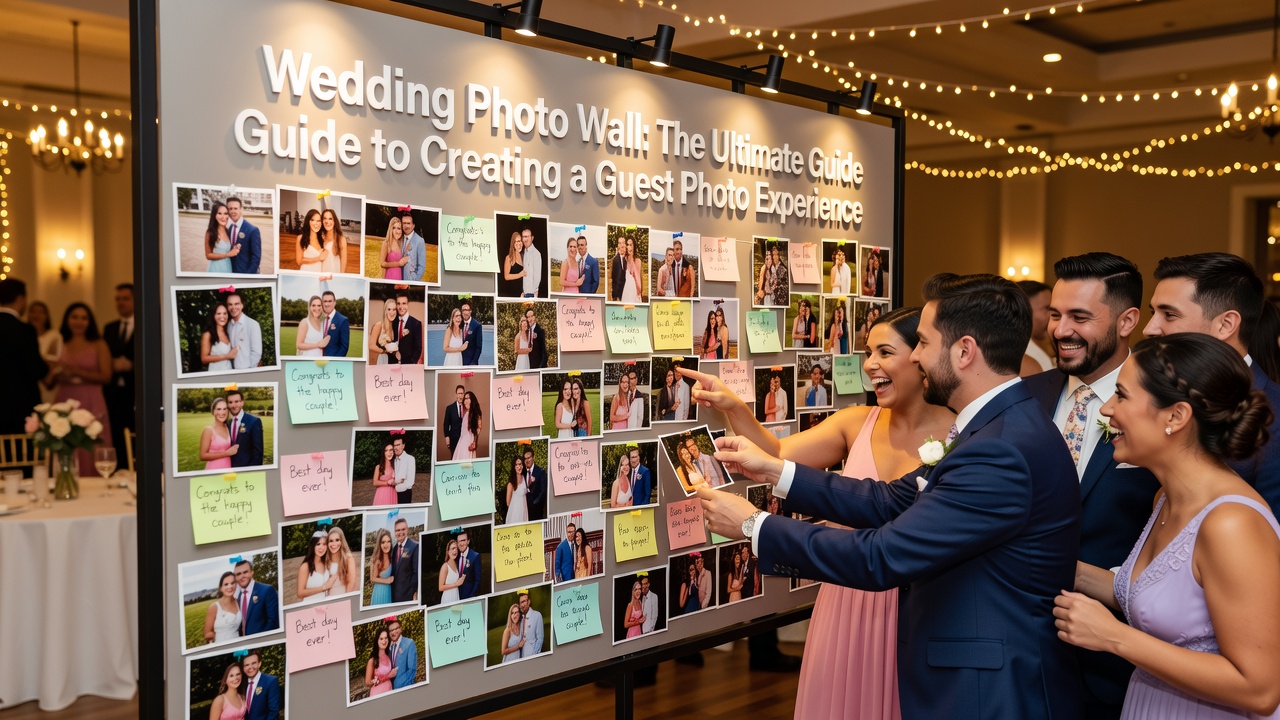
In this guide, we're walking you through everything: from choosing the right backdrop and lighting to adding digital touches like QR codes and live photo sharing. Whether you're planning a grand ballroom wedding in Manila or an intimate garden reception in Tagaytay, this is your complete playbook for a photo wall that guests can't stop talking about.
What Is a Wedding Photo Wall (and Why It Matters)
A wedding photo wall is a designated area at your reception designed specifically for guests to take photos. It typically features a decorative backdrop, thoughtful lighting, and sometimes props or interactive elements. Unlike a traditional photo booth — which is often a rented enclosure with a camera — a photo wall is an open, walk-up experience that encourages spontaneous group shots and candid moments.
Why does it matter? Because in the age of Instagram and TikTok, your guests are already taking photos. A photo wall channels that energy into a curated, beautiful space that reflects your wedding theme. It also solves a real problem: without a designated photo spot, guests end up taking pictures at their tables (with half-eaten plates in the background) or crowding the couple's table. A photo wall gives everyone a natural, beautiful place to gather and capture the night.
For Filipino weddings especially, where family photos are practically a non-negotiable part of the celebration, a photo wall becomes the go-to spot for those generational portraits — lolo and lola with the newlyweds, the full entourage, or the barkada shot that'll live on everyone's Facebook timeline.
Planning Your Wedding Photo Wall: Where to Start
Step 1: Define Your Purpose
Before you pick a backdrop or buy string lights, ask yourself: what do you want this photo wall to do? Is it purely for guest photos? Will it double as your souvenir area where guests pick up giveaways? Do you want it to serve as your hashtag display — a physical spot where your wedding hashtag is prominently featured so guests know exactly what to tag when they post?
For many Filipino couples, the photo wall pulls triple duty: it's a photo spot, a souvenir station, and a hashtag display all in one. Clarifying this early helps you make smarter decisions about size, placement, and budget.
Step 2: Choose the Right Location
Location is everything. Your wedding photo wall should be:
- Visible from the main reception area — guests shouldn't have to go hunting for it
- Away from high-traffic zones like the buffet line or bar (you don't want photo-takers blocking the lechon)
- Near a power source if you're using artificial lighting or digital displays
- Against a solid wall or sturdy frame — outdoor weddings need wind-proof setups
- Accessible but not in the way — think of it like a stage: everyone can see it, but it doesn't block the flow
Pro tip for outdoor Philippine weddings: position the photo wall so the sunset isn't directly behind it. Backlighting from a 5 PM sun will turn every photo into a silhouette — romantic, but not what you want for clear guest photos.
Step 3: Set Your Budget
Photo wall costs in the Philippines can range from ₱3,000 for a DIY setup to ₱50,000+ for a professionally designed installation with premium florals and custom signage. Here's a rough breakdown:
- DIY (₱3,000–₱8,000): Fabric backdrop, fairy lights, printed signage, borrowed easels
- Semi-pro (₱8,000–₱20,000): Rented backdrop frame, fresh flowers, basic lighting rig, printed hashtag sign
- Full-service (₱20,000–₱50,000+): Custom-built backdrop by your event stylist, professional lighting, neon sign, floral wall, digital integration
Many Filipino event stylists now offer photo wall packages as an add-on to their main reception styling. If you're already working with a stylist, ask if they can bundle it — you'll often save 15–20% compared to booking separately.
Wedding Photo Wall Backdrop Ideas for Every Theme
The backdrop is the heart of your wedding photo wall. It sets the visual tone and determines how your photos will look. Here are the most popular options for Filipino weddings, organized by style and budget.
Floral Walls
The reigning champion of wedding backdrops. A floral wall uses fresh or artificial flowers arranged in a dense, wall-to-wall pattern. For Filipino weddings, popular flower choices include local blooms like sampaguita, waling-waling orchids, and roses from Baguio or Tagaytay suppliers. A full fresh-flower wall can run ₱15,000–₱40,000 depending on flower density and variety. Artificial flower walls (rented) are a more budget-friendly option at ₱5,000–₱12,000 and look nearly identical in photos.
Greenery Walls (Boxwood or Foliage)
Clean, elegant, and versatile. A greenery wall made of boxwood panels or mixed tropical foliage works beautifully for garden weddings, rustic themes, or modern minimalist receptions. It's also one of the most affordable professional options — rental rates in Metro Manila start around ₱4,000–₱8,000. Add a neon sign with your couple name or wedding hashtag, and you've got an instant Instagram moment.
Fabric Draping and Curtains
Soft, romantic, and surprisingly affordable. Flowing fabric — think tulle, chiffon, or satin — creates a dreamy, ethereal look. This is a favorite for church receptions and ballroom weddings. You can DIY this with ₱2,000 worth of fabric from Divisoria and a PVC pipe frame, or have your stylist handle it for ₱5,000–₱10,000. Pair with fairy lights for a magical evening glow.
Rustic and Wooden Backdrops
Pallet wood, rattan, bamboo, capiz shells — these natural materials are everywhere in Filipino wedding styling right now. A wooden pallet wall decorated with greenery and string lights costs around ₱3,000–₱6,000 to DIY. For a more polished look, rattan and capiz shell backdrops (very Filipino, very chic) can be rented from event stylists for ₱6,000–₱15,000.
Neon Sign Backdrops
A custom neon sign with your couple name, wedding date, or a phrase like "Habang Buhay" or "#Kasal2026" mounted on a simple backdrop (acrylic panel, greenery wall, or fabric) is one of the hottest trends. Neon sign makers in the Philippines charge ₱3,000–₱8,000 for a custom piece. Combined with a simple backdrop, this is a high-impact, moderate-cost option.
Balloon Walls and Arches
Playful, colorful, and very photogenic. Balloon installations have evolved way beyond basic arches — think organic balloon clusters, ombré gradients, and balloon "walls" that frame the photo area. Balloon stylists in Metro Manila charge ₱5,000–₱15,000 depending on size and complexity. They're especially popular for engagement parties and civil wedding receptions.
Cultural and Filipino-Themed Backdrops
For couples who want to celebrate their heritage, consider a backdrop that incorporates Filipino elements: a banig (woven mat) wall, capiz shell curtains, anahaw leaves, or a modern interpretation of the bahay kubo. These backdrops tell a story and give your photos a distinctly Filipino character that generic floral walls can't match.
Lighting Your Wedding Photo Wall: The Make-or-Break Factor
You can have the most beautiful backdrop in the world, but if the lighting is bad, every photo will look bad. Lighting is the single most important technical element of a successful wedding photo wall.
Natural Light
If your reception is during the day or golden hour (4:30–6:00 PM in the Philippines), natural light is your best friend — and it's free. Position your photo wall to face the light source (not against it). For garden or outdoor receptions, a north-facing wall typically gets the most even, flattering light throughout the afternoon. Just have a backup plan: Philippine weather is unpredictable, and a sudden afternoon downpour can ruin an outdoor photo wall in minutes.
Ring Lights and Softboxes
A ring light is the simplest, most effective lighting solution for a photo wall. It casts even, shadow-free light that's universally flattering — which is why every vlogger and TikToker uses one. A good 18-inch ring light with adjustable color temperature costs ₱2,000–₱5,000 on Lazada or Shopee. Place it directly behind or beside the camera position (not the backdrop) for the best results.
For a more professional setup, softbox lights on stands provide broader, softer illumination. A pair of softboxes positioned at 45-degree angles to the photo wall eliminates harsh shadows and gives photos that studio-quality look.
String Lights and Fairy Lights
For evening receptions, string lights and fairy lights add warmth and magic. Drape them across the backdrop, frame the photo area, or create a "curtain" of lights behind the backdrop. Warm white (2700K–3000K) is the most flattering for skin tones. A 10-meter string of warm fairy lights costs around ₱300–₱800 and can transform a simple fabric backdrop into something enchanting.
Uplighting and Spotlights
If your reception venue has basic lighting infrastructure, ask your coordinator or venue about uplighting. Placing LED uplights at the base of your photo wall washes the backdrop in color and adds depth. Many event stylists include basic uplighting in their packages. For a DIY approach, battery-powered LED par lights (₱1,500–₱3,000 each) can create a similar effect.
Flash Photography Considerations
If guests will be using phone cameras (which they will), avoid backdrops with highly reflective surfaces — mirrors, metallic foil, glossy acrylic — unless you're okay with flash glare in every photo. Matte finishes, fabric, and natural materials photograph much better with phone flashes. If you're hiring a professional photographer for the reception, coordinate with them about the photo wall lighting setup — they may want to add a dedicated flash or continuous light for the photo area.
Digital Integration: Making Your Wedding Photo Wall Smart
This is where a wedding photo wall goes from pretty backdrop to full-on guest experience. Digital integration means using technology to collect, display, and share the photos your guests take — in real time.
QR Codes for Digital Album Access
The simplest and most effective digital add-on: print a QR code on a small sign or acrylic stand and place it near the photo wall. When guests scan it, they're taken to a shared Google Photos album, a WedPlanner wedding website gallery, or a dedicated photo-sharing app where they can view and upload photos.
Set this up before the wedding: create the album, generate the QR code (use a free tool like QR Code Monkey), and test it. Print the QR code at least 4×4 inches so it's easily scannable from phone distance. Pro tip: include a short instruction like "Scan to see and share photos from tonight!" — not everyone instinctively scans QR codes at events.
Hashtag Displays and Live Social Feeds
Your wedding hashtag (e.g., #KasalNinaMarkAtAnna) is the thread that ties all guest photos together on social media. Display it prominently on or near your photo wall — a neon sign, an acrylic plaque, or even a simple printed board. Some couples go further and set up a live social media wall: a TV or projector screen that displays photos posted with the wedding hashtag in real time. Services like WedUploader, Tint, or Walls.io can pull Instagram and Facebook posts by hashtag and display them as a live feed.
For Filipino weddings, where social media is practically part of the program, a live feed adds an interactive, gamified element — guests get excited seeing their photos appear on the big screen, which encourages even more sharing.
Photo Sharing Apps and Platforms
Dedicated wedding photo-sharing apps like WedShoots, The Guest, or Kululu let you create a private event where guests can upload photos directly from their phones. All photos are collected in one place — no more chasing guests for their shots weeks after the wedding. Most of these apps are free or have affordable wedding packages (₱500–₱2,000).
If you're using WedPlanner's wedding website, you can also direct guests to upload photos to your wedding gallery there — it's already built into your site and keeps everything in one place alongside your RSVPs, schedule, and vendor details.
Instant Print Stations
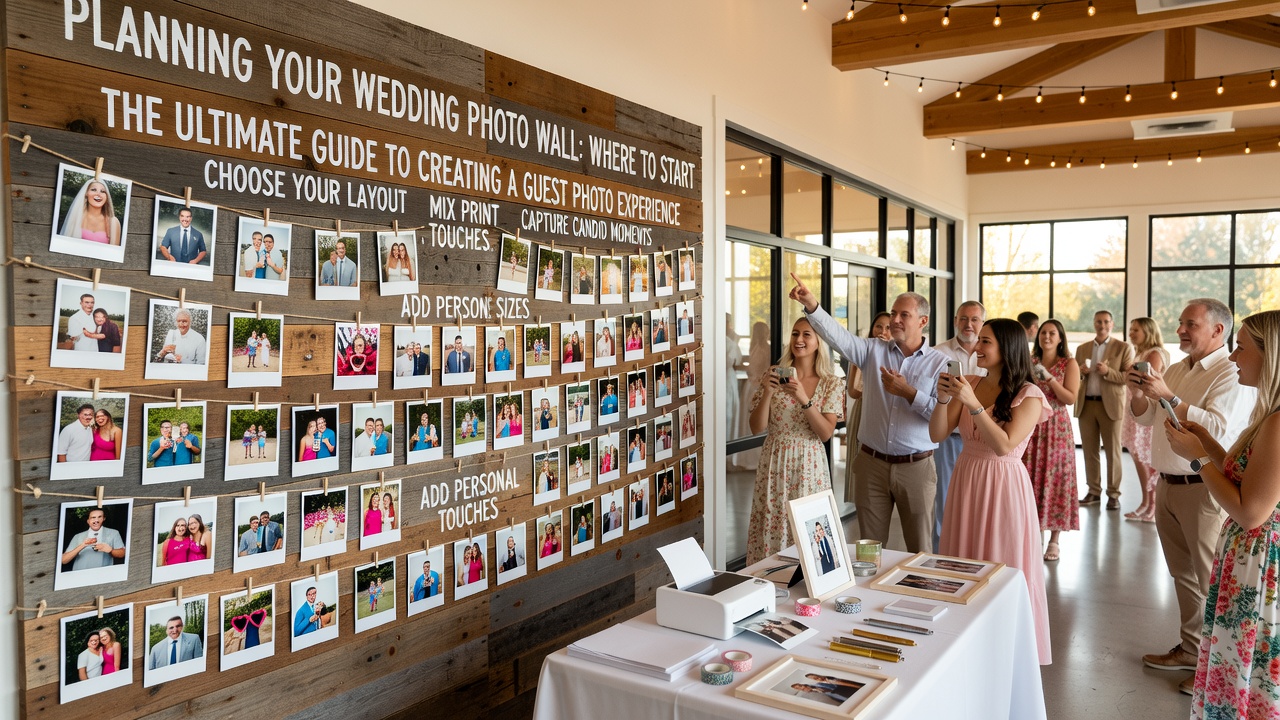
Combine digital with physical: set up a small photo printer (like the Canon Selphy or Kodak Mini Shot) near the photo wall so guests can print their photos on the spot. This doubles as a souvenir — guests take home a physical photo, and you can keep a copy for your guest book. Instant print stations are especially popular at Filipino weddings because they give guests (especially the titas and lolas) something tangible to take home.
Making the Photo Wall the Centerpiece of Your Reception
A wedding photo wall shouldn't be an afterthought tucked in a corner. When done right, it becomes the visual anchor of your entire reception — the thing guests gravitate toward and remember.
Size and Scale Matter
A photo wall that's too small gets lost in a big ballroom. A photo wall that's too big overwhelms an intimate garden reception. As a rule of thumb, your photo wall should be at least 6 feet wide and 7 feet tall to comfortably fit groups of 4–6 people. For larger weddings (150+ guests), go 8–10 feet wide so multiple groups can use it without waiting.
Integrate It Into Your Reception Layout
Don't treat the photo wall as a separate station — weave it into the flow of your reception. Place it near the cocktail area so guests use it during the pre-dinner mingling hour. Position it along the path between the dining area and the dance floor so it's a natural stop. Some couples even place it behind the sweetheart table, making it a dual-purpose backdrop for both the couple's table and guest photos.
Add Interactive Elements
The best photo walls invite participation. Add a prop table with Filipino-themed items: a jeepney cutout, a "Just Married" karatula, giant sungka pieces, or funny signs in Taglish ("Kasal na kami, ikaw kelan?"). Include a small bench or stool for seated poses. Place a ring light on a tripod with a phone mount so guests can take selfies without asking a stranger to snap the photo.
Coordinate With Your Program
Build the photo wall into your reception timeline. Announce it during the program: "Our photo wall is open all night — grab your barkada and take your best shot! Don't forget to use our hashtag #KasalNina[Names]." Consider a "photo wall hour" during the cocktail period where your photographer is stationed there to capture professional shots of guests.
DIY vs. Professional: Which Route Should You Take?
The DIY-versus-pro decision comes down to three things: budget, time, and how important photos are to you.
Go DIY if: you're working with a tight budget (under ₱10,000), you enjoy crafting, you have a clear vision and the time to execute it, and your wedding is on the smaller side (under 80 guests). DIY photo walls can look incredible — especially rustic, boho, or minimalist styles that don't require complex construction.
Hire a pro if: your budget allows ₱15,000+, you want a specific look that requires professional materials (fresh flowers, custom builds, neon), you're short on time, or your wedding is large (150+ guests) and needs a photo wall that can handle heavy use all night. Professional stylists also handle setup and teardown — one less thing to worry about on your wedding day.
The hybrid approach: many Filipino couples split the difference. They rent the backdrop frame and basic greenery from a stylist (₱5,000–₱8,000), then DIY the details — string lights, signage, props, and the QR code display. This gives you a professional foundation with personal touches that reflect your personality as a couple.
Practical Tips for a Flawless Wedding Photo Wall
- Test everything before the wedding day. Set up a mini version at home. Check how the lighting looks in photos. Scan the QR code. Make sure the backdrop doesn't wrinkle or sag.
- Have a weather backup. If you're outdoors, have a tent or indoor alternative ready. Philippine weather doesn't care about your wedding timeline.
- Assign a photo wall "marshal." Ask a trusted friend or coordinator to check on the photo wall periodically — straighten the backdrop, replace dead light bulbs, restock props, and make sure the QR code sign hasn't been knocked over.
- Print clear instructions. A small sign with "How to use our photo wall: 1. Strike a pose 2. Scan the QR code 3. Upload your photos 4. Use our hashtag #____" removes all friction.
- Consider accessibility. Make sure the photo area has enough space for guests in wheelchairs or with mobility aids. A step-free, flat surface is ideal.
- Don't forget the photo wall in your shot list. Tell your photographer you want detail shots of the photo wall setup before guests arrive — these are great for your album and for thanking your stylist.
- Plan for teardown. If you're DIY-ing, designate someone to pack up the photo wall at the end of the night. If you're renting, confirm pickup times with your stylist.
Filipino Wedding Photo Wall: Local Suppliers and Resources
If you're sourcing materials or hiring professionals in the Philippines, here are some starting points:
- Event stylists: Search for wedding stylists in your area on the WedPlanner vendor directory. Many stylists in Metro Manila, Cebu, and Davao offer photo wall packages.
- Backdrop rentals: Check Facebook Marketplace and wedding supplier groups ("Wedding Suppliers Philippines," "Filipino Wedding Community") for backdrop frame and greenery wall rentals.
- Neon signs: Look for custom neon sign makers on Instagram — search "neon sign Philippines wedding" and you'll find dozens of local artisans.
- Flowers: Dangwa in Manila and Baguio's flower market are the go-to sources for fresh flowers at wholesale prices. For artificial flowers, Divisoria and Shopee have extensive options.
- Lighting equipment: Lazada and Shopee carry ring lights, fairy lights, and LED uplights at competitive prices. For professional lighting rentals, check with your venue or event stylist.
- Printing services: For QR code signs, hashtag displays, and instruction boards, local printing shops can produce acrylic or sintra board signs for ₱300–₱1,000.
Common Wedding Photo Wall Mistakes (and How to Avoid Them)
Learn from couples who've been there:
Mistake #1: The backdrop is too small. A 4-foot-wide backdrop looks fine in your living room but disappears in a ballroom. Always measure your venue space and scale up.
Mistake #2: Bad lighting ruins great backdrops. A stunning floral wall lit only by dim ceiling lights will produce grainy, shadowy photos. Invest in lighting — even a single ring light makes a massive difference.
Mistake #3: No one knows the hashtag. You spent weeks coming up with #KasalNinaMarkAtAnna2026, but if it's not displayed at the photo wall, guests won't use it. Make the hashtag impossible to miss.
Mistake #4: The QR code doesn't work. Test it on multiple phones (iPhone and Android) before the wedding. Make sure the linked album is set to "anyone with the link can view and upload."
Mistake #5: The photo wall is in a dead zone. If it's hidden behind a pillar or in a separate room, guests won't find it. Visibility drives usage.
Mistake #6: No backup for outdoor setups. A sudden gust of wind can topple a lightweight backdrop. Use sandbags, weights, or sturdy frames — especially for outdoor Tagaytay or beach weddings.
Your Wedding Photo Wall Checklist
Use this checklist to make sure nothing falls through the cracks:
- ☐ Backdrop selected (style, size, material)
- ☐ Location confirmed at venue (with measurements)
- ☐ Lighting plan finalized (natural, ring light, string lights, or pro setup)
- ☐ Power source identified and extension cords ready
- ☐ Hashtag designed and display ordered/printed
- ☐ QR code generated and tested (links to shared album)
- ☐ Props sourced (signs, frames, Filipino-themed items)
- ☐ Photo wall marshal assigned
- ☐ Weather backup plan (for outdoor weddings)
- ☐ Teardown/pickup plan confirmed
- ☐ Photographer briefed about photo wall detail shots
- ☐ Instruction sign designed and printed
Frequently Asked Questions About Wedding Photo Walls
How much does a wedding photo wall cost in the Philippines?
A DIY wedding photo wall can cost as little as ₱3,000–₱8,000. A semi-professional setup with rented backdrop and basic lighting runs ₱8,000–₱20,000. A full-service custom installation by an event stylist ranges from ₱20,000–₱50,000+, depending on materials, size, and complexity.
What size should a wedding photo wall be?
At minimum, 6 feet wide by 7 feet tall to comfortably fit groups of 4–6 people. For larger weddings (150+ guests), aim for 8–10 feet wide. Always measure your venue before finalizing dimensions.
Can I DIY my wedding photo wall?
Absolutely. Fabric draping, fairy lights, wooden pallets, and printed signage are all DIY-friendly. The key is to test your setup before the wedding day and have a helper assigned to manage it during the reception.
What's the best lighting for a wedding photo wall?
A ring light is the simplest and most effective option — it provides even, flattering light for phone photos. For evening receptions, combine a ring light with warm string lights or fairy lights for ambiance. Professional softbox lights give the best results if budget allows.
How do I get guests to actually use the photo wall?
Make it visible, make it inviting, and make it easy. Place it in a high-traffic area, add props, display clear instructions, and announce it during the program. A photo wall marshal who actively invites guests to take photos can dramatically increase usage.
What's the difference between a photo wall and a photo booth?
A photo booth is typically an enclosed or semi-enclosed setup with a dedicated camera and instant prints. A photo wall is an open backdrop where guests use their own phones (or a stationed camera) to take photos. Photo walls are generally more flexible, more affordable, and better suited for group shots.
Bringing It All Together
Your wedding photo wall is more than a backdrop — it's where your guests become part of your wedding story. Whether you go all-out with a professional floral installation and live social feed, or keep it simple with fairy lights and a DIY fabric backdrop, the key is intentionality. Plan the location, nail the lighting, make sharing easy, and give guests a reason to stop, pose, and smile.
Ready to start planning the rest of your reception? Check out our guide on how to plan a wedding reception your guests will actually remember, or explore unique ways to keep your guests entertained beyond the dance floor. And if you're looking for more creative guest interaction ideas, don't miss our roundup of fresh wedding guest book ideas that pair perfectly with a photo wall setup.
For more wedding planning tools — including budget trackers, guest lists, and a wedding website where you can collect all those photo wall shots — sign up for WedPlanner and start planning your dream Filipino wedding today.
Quick answers
How much does a wedding photo wall cost in the Philippines?
A DIY wedding photo wall can cost as little as ₱3,000–₱8,000. A semi-professional setup with rented backdrop and basic lighting runs ₱8,000–₱20,000. A full-service custom installation by an event stylist ranges from ₱20,000–₱50,000+, depending on materials, size, and complexity.
What size should a wedding photo wall be?
At minimum, 6 feet wide by 7 feet tall to comfortably fit groups of 4–6 people. For larger weddings (150+ guests), aim for 8–10 feet wide. Always measure your venue before finalizing dimensions.
Can I DIY my wedding photo wall?
Absolutely. Fabric draping, fairy lights, wooden pallets, and printed signage are all DIY-friendly. The key is to test your setup before the wedding day and have a helper assigned to manage it during the reception.
What's the best lighting for a wedding photo wall?
A ring light is the simplest and most effective option — it provides even, flattering light for phone photos. For evening receptions, combine a ring light with warm string lights or fairy lights for ambiance. Professional softbox lights give the best results if budget allows.
How do I get guests to actually use the photo wall?
Make it visible, make it inviting, and make it easy. Place it in a high-traffic area, add props, display clear instructions, and announce it during the program. A photo wall marshal who actively invites guests to take photos can dramatically increase usage.
What's the difference between a photo wall and a photo booth?
A photo booth is typically an enclosed or semi-enclosed setup with a dedicated camera and instant prints. A photo wall is an open backdrop where guests use their own phones (or a stationed camera) to take photos. Photo walls are generally more flexible, more affordable, and better suited for group shots.