
Event Technology
QR Code Photo Sharing: Why It's the New Event Standard
QR code photo sharing is rapidly becoming the industry standard for modern events, replacing printed albums, email galleries, and hashtag confusion with instant, seamless digital photo access.
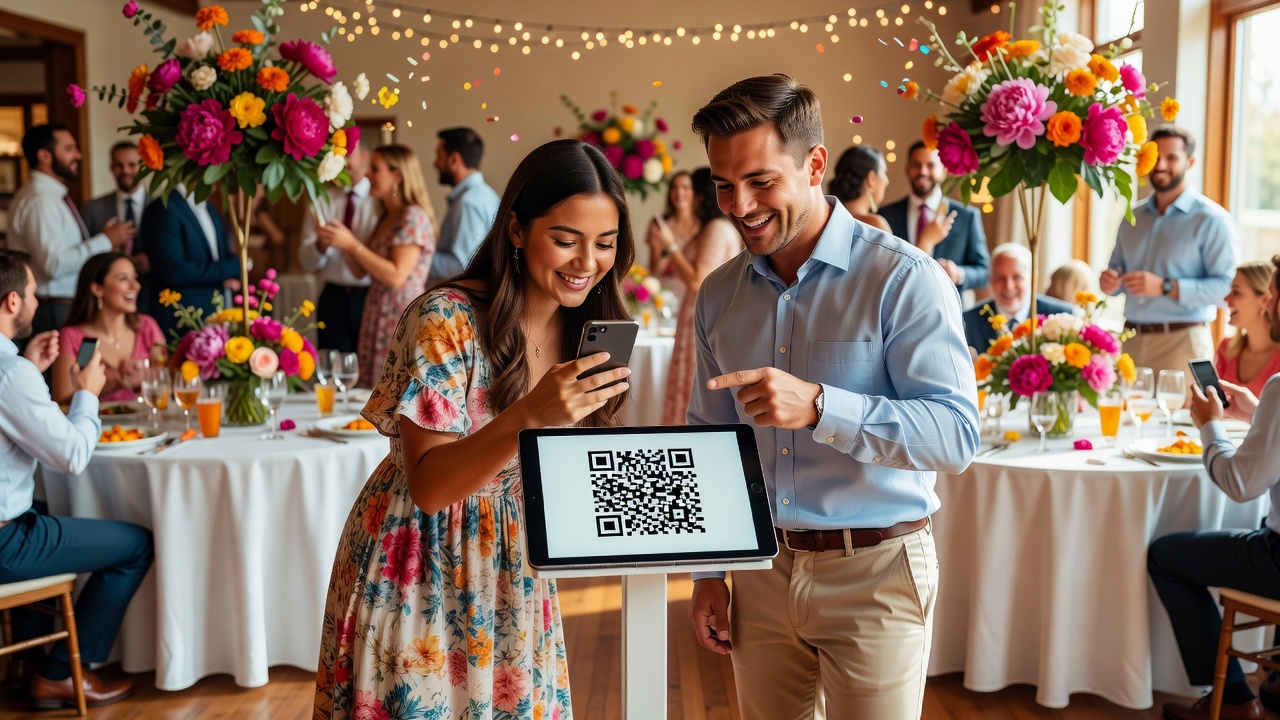
QR Code Photo Sharing: Why It's Becoming the Standard for Modern Events
QR code photo sharing lets guests instantly access, download, and share event photos by scanning a simple code—no apps, passwords, or social media hashtags required. This technology has evolved from a novelty into the dominant method for event photo distribution, driven by universal smartphone compatibility and demand for frictionless digital experiences.
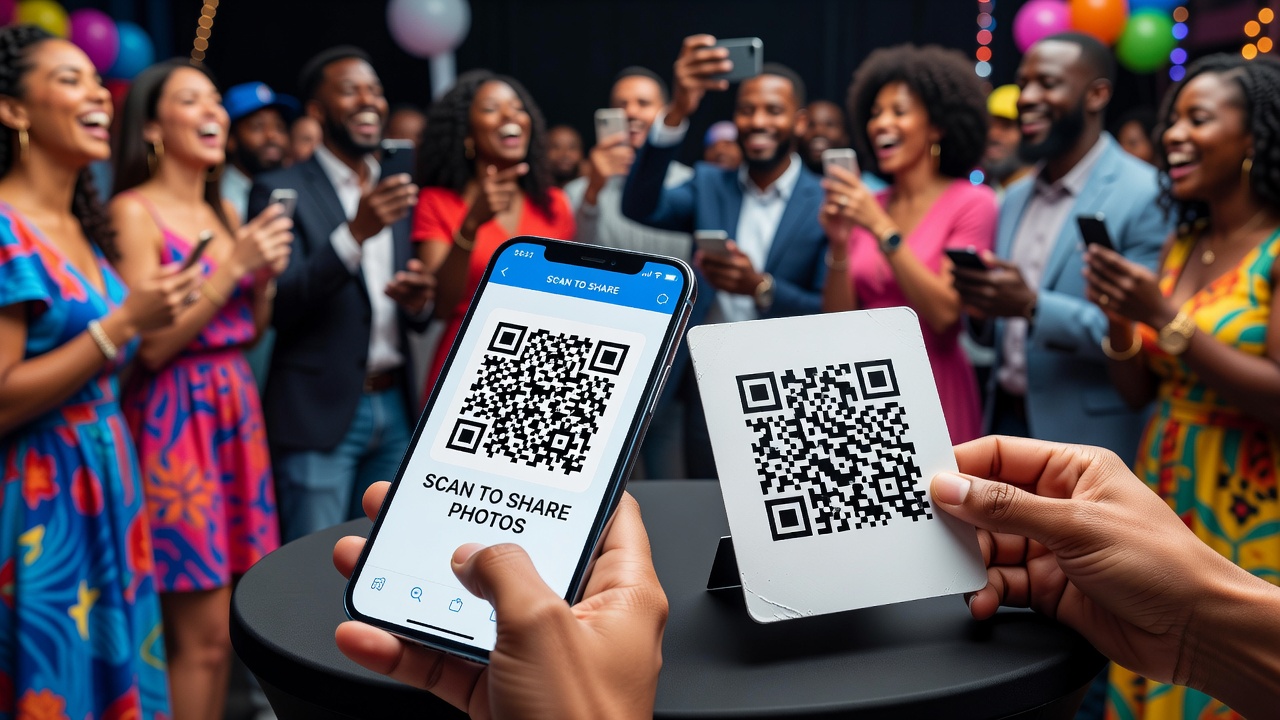
Introduction
Remember when wedding guests flipped through printed photo albums or waited weeks for email links? Those days are fading fast.
Today's event attendees expect instant access to their memories. They don't want to download apps, create accounts, or hunt through hashtag feeds to find their photos. Event organizers feel the same frustration—traditional methods create administrative headaches, delayed delivery, and disappointed guests.
Enter QR code photo sharing. What started as a clever workaround has matured into the industry standard. From corporate conferences to weddings and concerts, event professionals are adopting this technology at unprecedented rates.
This pillar page explores why QR code photo sharing dominates modern events, how the technology evolved, and how organizers can implement it effectively.
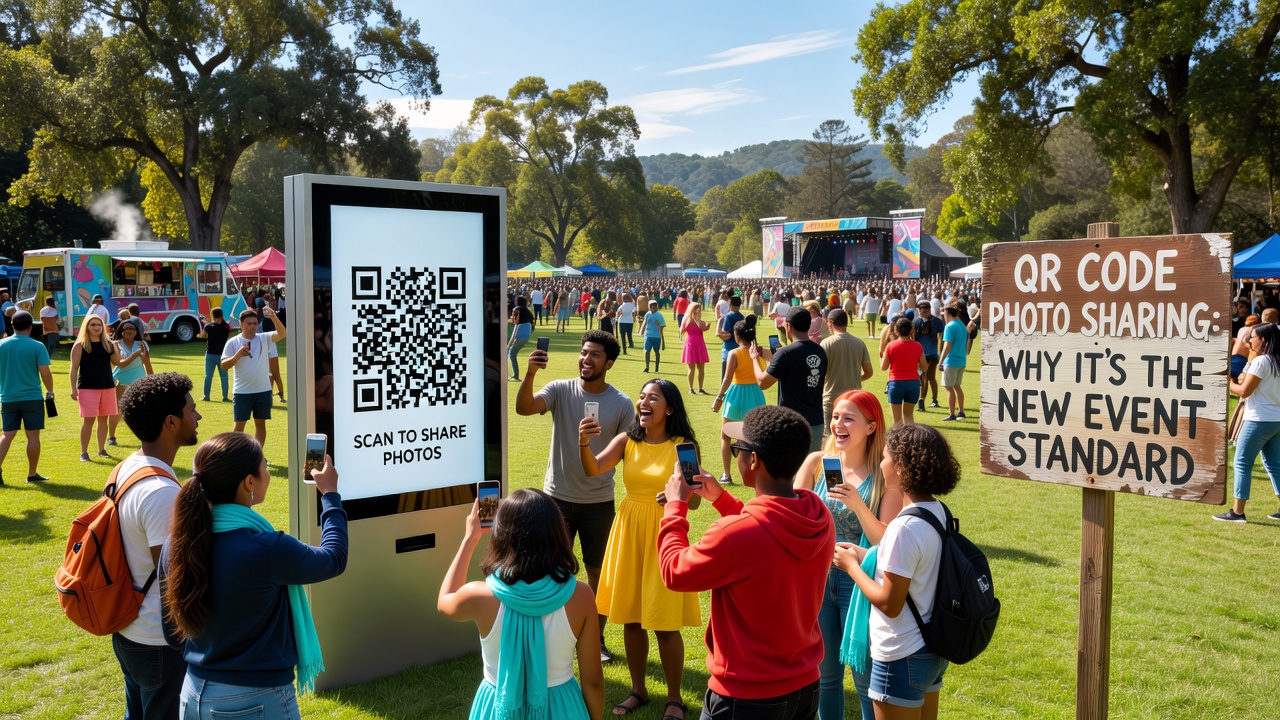
What Is QR Code Photo Sharing?
QR code photo sharing is a system where event hosts generate unique QR codes that guests scan with their smartphones to access a dedicated photo gallery. The process works in several configurations:
- Guest-to-gallery: Guests scan a QR code to upload their own photos to a shared album
- Host-to-guest: Guests scan to download professionally shot photos from the event
- Hybrid: Both upload and download capabilities in one seamless experience
Unlike social media hashtags or email distribution, QR code photo sharing requires no account creation, app downloads, or technical know-how. If your phone has a camera (which every smartphone does), you can participate instantly.
The Rise of QR Code Photo Sharing: Adoption Trends
From Pandemic Necessity to Permanent Preference
The COVID-19 pandemic accelerated QR code adoption across industries, but event photo sharing represents one of the most successful permanent transitions. When physical contact became problematic, event organizers needed contactless ways to distribute memories.
QR codes provided the perfect solution. They eliminated the need for printed materials, USB drives, or physical handoffs while maintaining the personal touch of photo sharing.
Current Industry Adoption Rates
While comprehensive industry-wide studies on QR code photo sharing specifically remain limited, broader QR code adoption data tells a compelling story:
- QR code scans increased over 750% between 2018 and 2025
- The global QR code payment and interaction market exceeds $15 billion annually
- Over 89% of smartphone users have scanned a QR code at least once
- Event technology platforms report QR photo gallery features among their most-requested additions
Wedding photography services, corporate event platforms, and photo booth companies have all integrated QR sharing as a standard feature rather than an optional add-on.
Demographic Shift Driving Adoption
Contrary to assumptions about technology adoption, QR code photo sharing succeeds across age groups. While millennials and Gen Z expect instant digital access, older demographics appreciate the simplicity—no complicated apps or social media accounts required.
This universal accessibility explains why event organizers increasingly view QR code photo sharing as the default rather than a premium feature.
How QR Code Photo Sharing Technology Evolved
Early Limitations
First-generation QR code photo sharing suffered from legitimate limitations that slowed adoption:
- Storage constraints: Early platforms offered limited gallery sizes
- Compression issues: Heavy compression degraded image quality
- Basic interfaces: Clunky user experiences discouraged repeat use
- Connectivity dependence: Required constant internet access
Modern Technical Capabilities
Today's QR code photo sharing platforms bear little resemblance to their predecessors:
Cloud Infrastructure: Modern platforms leverage cloud storage with unlimited capacity, ensuring events with thousands of photos don't hit storage walls. High-resolution originals remain accessible alongside web-optimized versions.
Progressive Web Apps (PWAs): Leading platforms now function as PWAs, allowing guests to save the gallery to their home screen without visiting an app store. This bridges the gap between web convenience and app-like functionality.
Offline Mode: Some advanced systems now cache photos for offline viewing, addressing connectivity concerns at venues with spotty WiFi.
AI Organization: Facial recognition and AI tagging automatically sort photos by person, eliminating the need for guests to scroll through hundreds of images to find themselves. [Internal link: related article on AI in event technology]
Instant Printing Integration: For events that still want physical photos, modern platforms connect directly to on-site printers. Guests scan a QR code, select photos, and receive printed copies within minutes.
Security and Privacy Improvements
Early QR code galleries raised valid privacy concerns—anyone with the code could access all photos. Current platforms address this through:
- Password-protected galleries
- Expiration dates on QR codes
- Guest-specific codes limiting access to relevant photos
- Facial recognition opt-outs for privacy-conscious attendees
- GDPR and CCPA compliance tools
Why QR Code Photo Sharing Is Replacing Older Methods
The Problem with Traditional Photo Albums
Printed photo albums carry nostalgic charm but practical limitations:
- High cost: Professional albums cost $200-$500+ per unit
- Physical logistics: Shipping, storing, and distributing heavy albums creates administrative burden
- No sharing capability: Physical photos can't be texted, posted, or emailed without additional digitization
- Environmental concerns: Increasingly important for eco-conscious events
The Email Gallery Headache
Email-based photo distribution seemed like a digital improvement but created its own problems:
- Spam filters: Gallery links frequently end up in spam folders
- Bounced addresses: Wrong email addresses mean lost photos
- Attachment limits: Email size restrictions force compression or multiple sends
- Delayed delivery: Post-event processing often means weeks of waiting
The Social Media Hashtag Disaster
Hashtag campaigns promised organic sharing but delivered chaos:
- Incomplete coverage: Guests forget hashtags or use typos
- Privacy concerns: Public social media exposes personal moments
- Platform dependency: Algorithm changes hide posts from attendees
- No curation: Professional photos get buried under guest snapshots
- Brand dilution: Mixed messaging when guests add their own captions
Why QR Code Photo Sharing Wins
Compared to these alternatives, QR code photo sharing offers distinct advantages:
| Method | Speed | Cost | Privacy | Ease |
|---|---|---|---|---|
| Printed Albums | Weeks | High | Excellent | High |
| Email Galleries | Days-Weeks | Medium | Good | Medium |
| Social Hashtags | Instant | Low | Poor | Medium |
| QR Code Sharing | Instant | Low-Medium | Configurable | Excellent |
QR code photo sharing combines the immediacy of social media with the privacy and curation of traditional methods—without the associated costs or complications.
Implementation: How Event Organizers Can Deploy QR Code Photo Sharing
Step 1: Choose Your Platform
Select a QR code photo sharing platform based on your event type and requirements:
- Wedding-focused platforms: Specialized for romantic aesthetics, guest book integration, and keepsake features
- Corporate event platforms: Emphasize branding, analytics, and lead generation capabilities
- General event apps: Versatile solutions for parties, reunions, and community events
- Photo booth integrations: Hardware-software combinations for instant booth-to-phone delivery
Evaluate platforms based on storage limits, customization options, offline capabilities, and pricing models. [External link: authoritative source on event technology platform selection]
Step 2: Plan Your QR Code Strategy
Effective QR code deployment requires strategic placement:
Multiple Touchpoints: Don't rely on a single QR code location. Place codes on:
- Table tents or centerpieces
- Welcome signs and registration areas
- Photo booth displays
- Event programs or agendas
- Digital displays during presentations
- Thank-you cards or follow-up emails
Clear Instructions: Include brief scanning instructions for guests unfamiliar with QR codes. A simple "Point your camera here to see photos" removes hesitation.
Step 3: Customize the Experience
Modern platforms offer extensive customization:
- Branding: Match gallery colors, logos, and fonts to event branding
- Domain: Use white-label domains for corporate events (photos.yourcompany.com)
- Access controls: Set gallery expiration dates, download permissions, and upload restrictions
- Organization: Pre-sort photos by session, speaker, or activity
Step 4: Prepare for Technical Challenges
Even simple technology requires contingency planning:
- Connectivity backup: Ensure reliable WiFi or cellular coverage at the venue
- Physical backups: Keep printed instructions for guests without smartphones
- Staff briefing: Brief event staff on troubleshooting common QR code issues
- Testing: Test codes at the actual venue before guests arrive
Step 5: Promote Guest Participation
Technology adoption requires encouragement:
Announce the QR code gallery during opening remarks. Display real-time photo feeds on screens to create visual interest. Consider incentives for uploads—contests or recognition for the best guest photos increase engagement.
Common Mistakes to Avoid
Event organizers new to QR code photo sharing frequently make these errors:
Mistake 1: Single Point of Failure
Placing one QR code at the entrance means guests who arrive late or miss it never participate. Deploy multiple codes throughout the venue.
Mistake 2: Ignoring Older Demographics
Assuming all guests intuitively understand QR codes excludes some attendees. Provide simple instructions and assistance.
Mistake 3: Neglecting Post-Event Access
Gallery expiration dates that are too short frustrate guests who want to revisit photos months later. Set reasonable timeframes (typically 6-12 months minimum).
Mistake 4: Poor Photo Quality
Uploading heavily compressed images defeats the purpose. Prioritize platforms that preserve original quality or offer download options at full resolution.
Mistake 5: Overcomplicated Workflows
Requiring account creation, email verification, or app downloads creates abandonment. The best QR code photo sharing experiences work in three taps: scan, view, download.
Key Takeaways
- QR code photo sharing has evolved from pandemic workaround to permanent event industry standard
- Universal smartphone compatibility and zero-friction access make it suitable for all demographics
- Modern platforms offer unlimited storage, AI organization, facial recognition, and privacy controls impossible with traditional methods
- Compared to printed albums, email galleries, and social media hashtags, QR sharing delivers superior speed, cost-effectiveness, and user experience
- Successful implementation requires strategic QR placement, clear instructions, technical backups, and guest encouragement
- Avoid common mistakes by deploying multiple codes, accommodating all demographics, and maintaining reasonable access timeframes
Frequently Asked Questions
What is QR code photo sharing?
QR code photo sharing lets event guests scan a code with their smartphone camera to instantly access, view, and download photos from an event without downloading apps or creating accounts.
Do guests need to download an app to use QR code photo sharing?
No—modern smartphones scan QR codes directly through the native camera app. Some platforms offer optional apps, but web-based galleries work universally without installation.
Is QR code photo sharing secure and private?
Leading platforms offer configurable privacy settings including password protection, guest-specific codes, expiration dates, and GDPR compliance. Unlike public social media hashtags, galleries can remain completely private.
How much does QR code photo sharing cost?
Costs vary by platform and features, ranging from free basic tiers to $50-$200 for premium event packages with custom branding, extended storage, and advanced features like AI organization.
Can guests upload their own photos through QR codes?
Yes—many platforms support bidirectional sharing where guests both download professional photos and upload their own snapshots to a shared gallery, creating comprehensive event documentation.
What happens if guests don't have smartphones?
While rare, organizers should provide alternative access methods like direct links or staffed stations. Some events also offer instant printing for guests who prefer physical photos.
How long do QR code photo galleries stay active?
Most platforms offer 6-12 months of gallery access by default, with options for permanent storage. Organizers should communicate expiration dates clearly to guests.
Can QR code photo sharing integrate with existing event apps?
Yes—many event management platforms and photo booth services now embed QR sharing natively. API integrations allow custom implementations for large corporate events.
Does QR code photo sharing work offline?
Basic scanning requires internet connectivity, but some advanced platforms cache galleries for offline viewing once initially loaded. Venue WiFi or cellular data typically suffices.
What types of events benefit most from QR code photo sharing?
Weddings, corporate conferences, trade shows, graduation ceremonies, family reunions, and any event where attendees want instant access to professional or shared photos benefit significantly.
Conclusion
QR code photo sharing isn't a temporary trend—it's the logical evolution of event photography distribution. As smartphones became universal and cloud storage became affordable, the friction of traditional photo sharing methods became impossible to ignore.
For event organizers, this shift represents both opportunity and expectation. Guests now assume instant digital access to their memories. Delivering anything less feels outdated.
The technology has matured beyond novelty into reliability. Modern platforms handle unlimited photos, respect privacy preferences, and work seamlessly across demographics. Implementation requires minimal technical expertise but benefits enormously from strategic planning.
If you're organizing an event in 2025 or beyond, QR code photo sharing shouldn't be an afterthought—it should be part of your initial planning. Your guests expect it, and the tools to deliver it have never been more accessible.
Ready to modernize your event photo experience? Explore how QR code photo sharing can elevate your next event from memorable to unforgettable.
Quick answers
What is QR code photo sharing?
QR code photo sharing lets event guests scan a code with their smartphone camera to instantly access, view, and download photos from an event without downloading apps or creating accounts.
Do guests need to download an app to use QR code photo sharing?
No—modern smartphones scan QR codes directly through the native camera app. Some platforms offer optional apps, but web-based galleries work universally without installation.
Is QR code photo sharing secure and private?
Leading platforms offer configurable privacy settings including password protection, guest-specific codes, expiration dates, and GDPR compliance. Unlike public social media hashtags, galleries can remain completely private.
How much does QR code photo sharing cost?
Costs vary by platform and features, ranging from free basic tiers to $50-$200 for premium event packages with custom branding, extended storage, and advanced features like AI organization.
Can guests upload their own photos through QR codes?
Yes—many platforms support bidirectional sharing where guests both download professional photos and upload their own snapshots to a shared gallery, creating comprehensive event documentation.
What happens if guests don't have smartphones?
While rare, organizers should provide alternative access methods like direct links or staffed stations. Some events also offer instant printing for guests who prefer physical photos.
How long do QR code photo galleries stay active?
Most platforms offer 6-12 months of gallery access by default, with options for permanent storage. Organizers should communicate expiration dates clearly to guests.
Can QR code photo sharing integrate with existing event apps?
Yes—many event management platforms and photo booth services now embed QR sharing natively. API integrations allow custom implementations for large corporate events.
Does QR code photo sharing work offline?
Basic scanning requires internet connectivity, but some advanced platforms cache galleries for offline viewing once initially loaded. Venue WiFi or cellular data typically suffices.
What types of events benefit most from QR code photo sharing?
Weddings, corporate conferences, trade shows, graduation ceremonies, family reunions, and any event where attendees want instant access to professional or shared photos benefit significantly.