
photography
6 Signs You Need a Better Guest Photo Solution for Your Wedding
Is your wedding guest photo plan falling short? Here are 6 signs you need a better solution for collecting guest photos at your Filipino wedding — before it's too late.
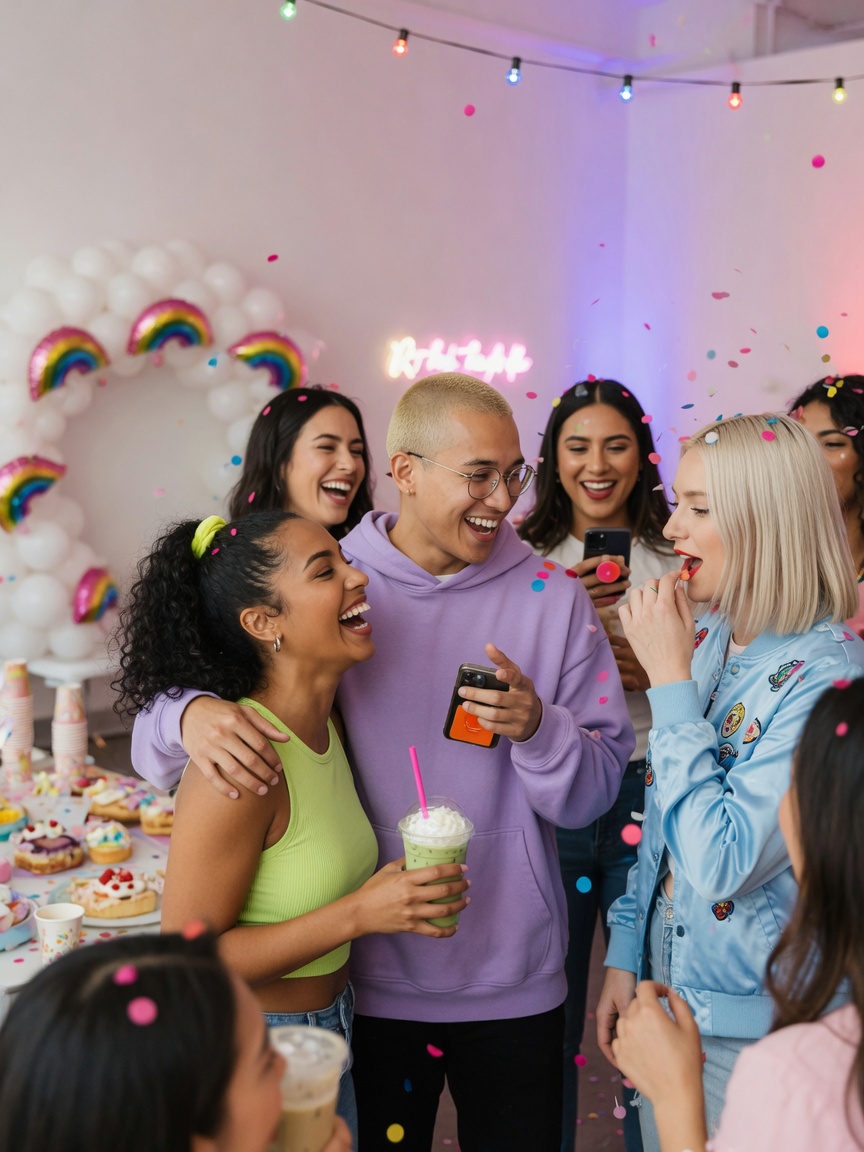
6 Signs You Need a Better Guest Photo Solution for Your Wedding
Your wedding is months away. You've booked the photographer, chosen the venue, and maybe even splurged on a photo booth for the reception. But something's nagging at you — the sinking feeling that your plan for wedding guest photos isn't going to work on the actual day.
That instinct is probably right.
Filipino weddings are enormous, loud, and unpredictable. Your 200-person guest list includes lolo and lola who can't navigate a smartphone, a gaggle of teenage cousins who never put theirs down, ninongs and ninangs who expect to be in every shot, and a money dance where everyone pulls out their phone at once. A single photo booth in the corner and a quick "Use our hashtag!" announcement won't cover it.
Here are the six signs that your current wedding guest photos plan isn't enough — and what to do about each one before it's too late.
Sign #1: You're Expecting a Photo Booth to Cover the Whole Night
A photo booth is a wedding staple in the Philippines, and it's easy to see why. Guests love the printed strips, the props, and the dedicated frame. But here's the thing a lot of couples realize too late: a photo booth covers one spot in your venue for one group at a time.
At a Filipino wedding with 200 to 300 guests, a single photo booth can serve maybe 60 to 80 people in four hours — if the line moves fast. The rest of your guests simply never get to it. They forget it's there, or they skip the queue because they'd rather be on the dance floor or catching up with relatives they haven't seen since the last salu-salo.
The bigger problem is what the booth doesn't capture: your tito doing his signature dance move during the cocktail hour. Your bridesmaids fixing each other's hair before the processional. The money dance chaos. The toddlers weaving between tables with sparklers. The candid hug between your grandmother and your ninang that lasts a beat too long.
A photo booth is a nice addition, but if it's your only plan for wedding guest photos, you're leaving most of your memories on the table.
Sign #2: Your Guests Are Going to Miss the Candid Moments
Professional wedding photographers are essential. They capture the ceremony, the formal portraits, and the beautifully staged shots that end up in your album. But even the best photographer cannot be everywhere at once during a 200-person Filipino reception.
The candid moments — the ones that make you laugh and cry when you look back — happen without warning. Your ninong wiping a tear during the groom's speech. Your cousin sneaking a second slice of cake. The spontaneous videoke session that breaks out near the dessert table. A photographer can be set up for the ceremony and the couple portraits, but the candid kumustahan at the tables is impossible to cover professionally.
This is where a guest photo sharing system fills the gap. When every table has a way to contribute photos, you don't need to rely on one person with a camera and a press pass. Your guests capture what they see from where they sit. One cousin captures the bride's mom laughing at a joke. Another captures the groom sneaking a bite before the toast. A third captures the entire entourage mid-dance.
The best wedding guest photos from your wedding might not be the ones you paid for — they'll be the ones your guests took because they were in the middle of it.
Sign #3: You Still Rely on a Wedding Hashtag as Your Photo Plan
The wedding hashtag strategy is everywhere. You print signs, write it on chalkboards, and ask the MC to announce it. Guests post to Instagram and Facebook, and you collect the photos through the hashtag. Simple, right?
Except it isn't.
Here's what actually happens: a few guests post their best shots. Maybe 20 to 30 photos make it to the tag — if the hashtag doesn't get hijacked or misspelled. The rest of the photos — the ones guests take but never post, the ones on phones of relatives who don't use social media, the behind-the-scenes shots that feel too personal to share publicly — stay in private camera rolls. You never see them.
In the Philippines, this problem is amplified. Many older guests use Facebook but not Instagram. Some guests don't use either. And the pakikisama instinct means no one wants to post a photo that might accidentally exclude someone — so they just don't post at all.
A hashtag is fine for your public-facing wedding content. But as your primary guest photo sharing strategy, it leaves you with a fraction of what your guests actually captured. You need a way for guests to hand over every photo — the polished ones and the raw ones, the public and the private — without extra effort.
Sign #4: You're Asking Guests to Download an App — and They Won't
Some guest photo solutions ask everyone to download a specific app before they can contribute. Create an account, find your event within the app, grant camera permissions — seven steps before a single photo gets taken. At a wedding, where moments happen fast and people are socializing, that's seven steps too many.
The reality is brutal: app-install photo sharing tools report guest participation rates of 15 to 30 percent. That means 70 to 85 percent of your guests — including most of your older relatives, the busy parents managing kids, and the guests who don't want to use up their phone storage — never contribute.
Think about who that excludes at a Filipino wedding: your lola who barely uses her smartphone for calls, let alone new apps. Your tita from the province who visits once a year and doesn't want to waste her limited mobile data. The ninong who arrived straight from work and is perfectly happy watching from a corner table with a bottle of San Mig.
The most effective guest photo solutions for Filipino weddings are frictionless. No downloads, no accounts, no app stores. Guests scan a QR code and shoot directly from their browser — two steps, not seven. When participation goes up, so does the volume and variety of your wedding guest photos.
Sign #5: You Have No Backup Plan When Something Goes Wrong
Weddings in the Philippines come with built-in chaos. The power flickers. The WiFi at the venue drops during the reception. A rain shower forces the cocktail hour indoors, and suddenly your photo setup is in the wrong spot. The photo booth company arrives late. The photographer's memory card fills up. The printed guest book pens run out of ink.
If your entire guest photo sharing strategy relies on one thing — one booth, one hashtag, one photographer — a single failure point can wipe out hours of potential memories. And in the Filipino wedding environment where things rarely go exactly according to plan, this is a real risk.
A better solution is layered. Your professional photographer covers the key moments. A QR-code-based guest camera system captures everything else — on every phone, from every angle, with no single point of failure. If one table's sign gets knocked over, the next table's code still works. If the WiFi stutters, guests' mobile data picks up the slack. If the photo booth breaks down, every guest already has a camera in their pocket.
When you build redundancy into your guest photo plan, you stop worrying about technology failing and start enjoying the actual day. This matters even more in the Philippines, where venues range from air-conditioned ballrooms in BGC to garden receptions in Tagaytay to beachfront setups in Boracay — each with its own technical quirks.
Sign #6: You're Already Worried About Missing Moments Before the Wedding
This is the biggest red flag of all: you're reading this article because something already feels off. Maybe you saw a friend's wedding photos and realized all the best moments came from random guest shots, not the official album. Maybe your coordinator warned you that relying only on a hashtag is risky. Maybe you just have that gut feeling that your current plan won't deliver the album you want.
Trust that feeling. Filipino weddings are one of the few times in modern life where three generations of family gather in one room — lolo and lola, parents and titos and titas, you and your partner, the teenage cousins, the toddlers. Every single person in that room has a camera in their phone. And every single person sees the wedding from a uniquely different angle.
The difference between a good wedding album and a great one is whether you collected all those angles. A guest photo sharing plan that's simple, inclusive, and redundant means you walk away with every single moment — not just the ones the photographer framed, but the ones your guests lived.
The Solution: A Guest Photo System That Actually Works for Filipino Weddings
You don't need a bigger photo booth budget or a more elaborate hashtag. You need a system that matches how Filipinos actually celebrate: big, loud, distributed, and spontaneous.
Here's what a good wedding guest photos plan looks like for a Filipino wedding:
- Your professional photographer handles the ceremony, formal portraits, and staged couple shots. Non-negotiable.
- A QR-code guest camera at every table lets guests shoot from their own phones — no app, no download, no account. Every person with a phone becomes your photographer for the night. The gallery fills up in real time, and by dessert, you've already seen the best candids.
- A backup: keep a tablet or laptop at the welcome table running the guest camera page. Guests who can't scan QR codes (lola's phone doesn't have autofocus? no problem) can walk up and shoot directly.
This setup captures every layer of a Filipino wedding: the pamamanhikan stories guests share during dinner, the sayawan ng pera money dance from 30 different angles, the group hug during the send-off, and the lechon being carved with ceremonial precision by your tito che.
Your Next Step
Your current plan for wedding guest photos might have worked for a smaller event or a less tech-diverse crowd. But for a Filipino wedding with all the family, friends, and fanfare that come with it, you need something more reliable — something that turns 200 phones into 200 photographers, no app required.
Browse the WedPlanner wedding photography guide for more tips on building a complete photo strategy for your kasal. If you haven't set up your guest list and seating yet, start there — knowing who's coming makes everything else easier to plan.
The best wedding guest photos don't come from a booth or a hashtag. They come from creating a system that lets everyone contribute. Start building that system before the big day, and your wedding album will thank you.
Quick answers
How many wedding guest photos can I expect if I only use a photo booth?
A single photo booth at a 200-person Filipino wedding typically serves 60 to 80 guests in four hours. That means 60 to 70 percent of your guests never contribute a photo. A QR-code guest camera system at every table captures contributions from all your guests simultaneously.
Is a wedding hashtag enough to collect guest photos?
Not for complete coverage. A hashtag typically collects 20 to 30 public posts, but most guests' photos — candid shots, behind-the-scenes moments, photos taken by non-social-media users — stay in private camera rolls. A dedicated guest photo sharing system collects everything directly.
Should I ask wedding guests to download a photo-sharing app?
It's not recommended. App-install systems report 15 to 30 percent participation rates at best, with 40 percent of guests abandoning the download process. Browser-based solutions with QR codes achieve 60 to 85 percent participation because there's nothing to install.
What's the best guest photo solution for a Filipino wedding with older relatives?
A frictionless, browser-based QR code system works best. No downloads, no accounts — just a scan and shoot. This works for lolo and lola, titos and titas from the province, and guests who aren't comfortable with apps. A backup tablet at the welcome table covers anyone who can't scan a QR code.
How do I ensure I don't miss any wedding guest photos?
Build a layered system: professional photographer for ceremony and formal portraits, a QR-code guest camera at every table for candid moments, and a backup device at the welcome table. This redundancy means no single point of failure and every guest can contribute regardless of their tech comfort level.